
- This event has passed.
California Wildlands & Waters: Eastern Sierra (Naturalist Opportunity)
June 10 @ 8:00 am - June 15 @ 5:00 pm
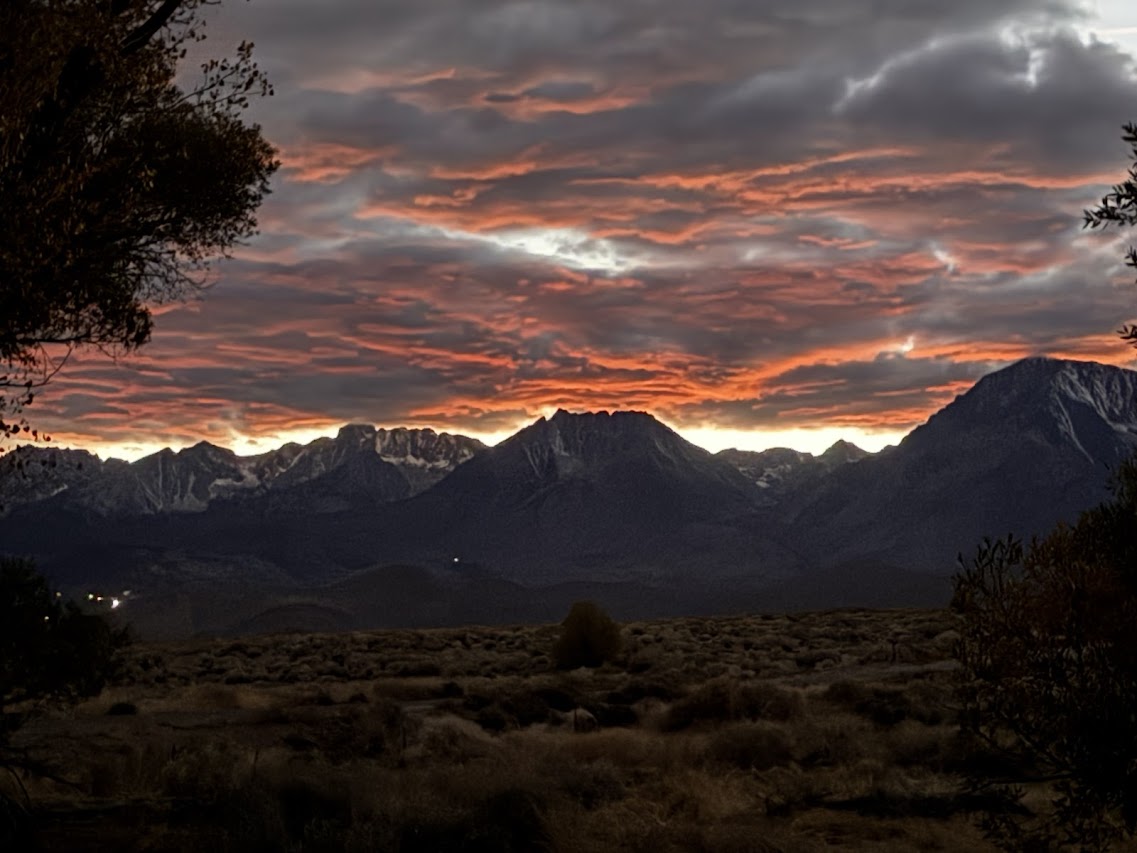
Explore the Eastern Sierra’s alpine lakes, volcanic landscapes, wildlife, and wildflowers in this immersive naturalist field course.
Explore the Eastern Sierra’s alpine lakes, volcanic landscapes, wildlife, and wildflowers in this immersive naturalist field course.
The Eastern Sierra is a landscape of dramatic contrasts. Volcanic craters and glacial valleys, alpine lakes and sagebrush basins, ancient forests and open sky. Over six days, participants will explore how geology, water, fire, and elevation shape life in one of California’s most dynamic mountain ecosystems.
Through guided field exploration, observation, and naturalist-led discussion, we’ll learn to read the landscape, noticing the subtle connections between landforms, water systems, wildlife, and plant communities.
This course emphasizes slow observation, ecological literacy, and immersive field learning.
Registration closes on May 26th
Why the Eastern Sierra?
The Eastern Sierra is one of California’s most spectacular and geologically dynamic landscapes. Towering granite peaks rise abruptly above sagebrush valleys, alpine lakes reflect the sky at nearly 10,000 feet, and volcanic forces continue to shape the land beneath our feet.
This is a place where water begins its journey west, fire shapes forests, glaciers carved valleys, and wildlife thrives in extreme conditions.
For naturalists, it’s an extraordinary outdoor classroom.
What We’ll Explore
Mammoth Lakes Basin – Alpine Lakes & Watersheds
Begin among a chain of high-elevation lakes surrounded by granite peaks and lodgepole forests. Explore watershed dynamics, glacial history, and alpine aquatic ecosystems while observing birds, amphibians, and wildflowers.
Mono Lake & Tufa Towers
Explore one of the oldest lakes in North America, famous for its otherworldly limestone towers and vast bird migrations. Learn about hydrology, conservation history, and how water management reshaped this unique ecosystem.
Devils Postpile National Monument & Rainbow Falls
Discover one of the Sierra’s most striking volcanic formations: towering basalt columns created by ancient lava flows. Along the San Joaquin River, we’ll explore riparian ecology and the geological forces that shaped this landscape.
Long Valley Caldera & Volcanic Landscapes
Explore the massive volcanic system underlying the region. We’ll examine lava domes, geothermal activity, and the ecological communities that have adapted to this constantly evolving terrain.
Hot Creek Geological Site
Observe steaming vents, boiling springs, and vivid mineral deposits where geothermal energy rises close to the surface- a powerful reminder that the Eastern Sierra remains volcanically active.
Convict Lake & Glacial Valleys
Walk along one of the Sierra’s most dramatic glacially carved valleys, where turquoise water sits beneath towering granite walls. We’ll explore glacial history, mountain geology, and wildlife adapted to high-elevation environments.
Jeffrey Pine & Lodgepole Forests
Spend time in the region’s iconic conifer forests examining fire ecology, tree adaptations, wildlife habitat, and the role of disturbance in maintaining healthy ecosystems.
_________________________________________________________________________________________________
Learning Themes
Participants will engage with:
• Volcanic geology and glacial landscapes
• Alpine lakes, watersheds, and hydrology
• High-elevation plant communities and wildflowers
• Fire ecology and forest dynamics
• Wildlife observation and tracking
• Climate, elevation, and ecological adaptation
• Reading landscapes through naturalist observation
• Human history, stewardship, and conservation in the Eastern Sierra
__________________________________________________________
California Naturalist Certification (Optional)
There is an opportunity to earn California Naturalist certification with this program.
To complete certification, participants attend:
Three online sessions (June 8, 17 & 23)
Complete brief homework assignments
Participate in the full field course
Add-on cost: $160
________________________________________________________________
What Makes This Course Unique
This is not a lecture-based class. Teranga Ranch naturalist courses are immersive field experiences.
Participants spend the majority of the program outdoors learning directly from the landscape through observation, guided discussion, and hands-on exploration.
You’ll learn to:
• Read landscapes like a naturalist
• Identify patterns between geology, water, plants, and wildlife
• Observe animal sign and ecological clues
• Understand how natural systems interact across large landscapes
Each day blends science, storytelling, and shared discovery, creating a deeper connection to the places we explore
___________________________________________________________________
Trip Details
Dates: June 10-15
Location: Mammoth Lakes / Eastern Sierra
Group size: Small
Audience: Adults and older youth
No pets, please.
Pricing
• Early Bird Rate: $890 (Register before April 26th!!)
• Standard Rate: $1,040
• Registration closes on May 26th
$160 optional California Naturalist certification add-on
Includes
Lodging and most meals
Instruction by experienced naturalists
Guided field excursions
Guest speakers and local expertise
Course materials and field resources
Not Included
Transportation / gas
Snacks